




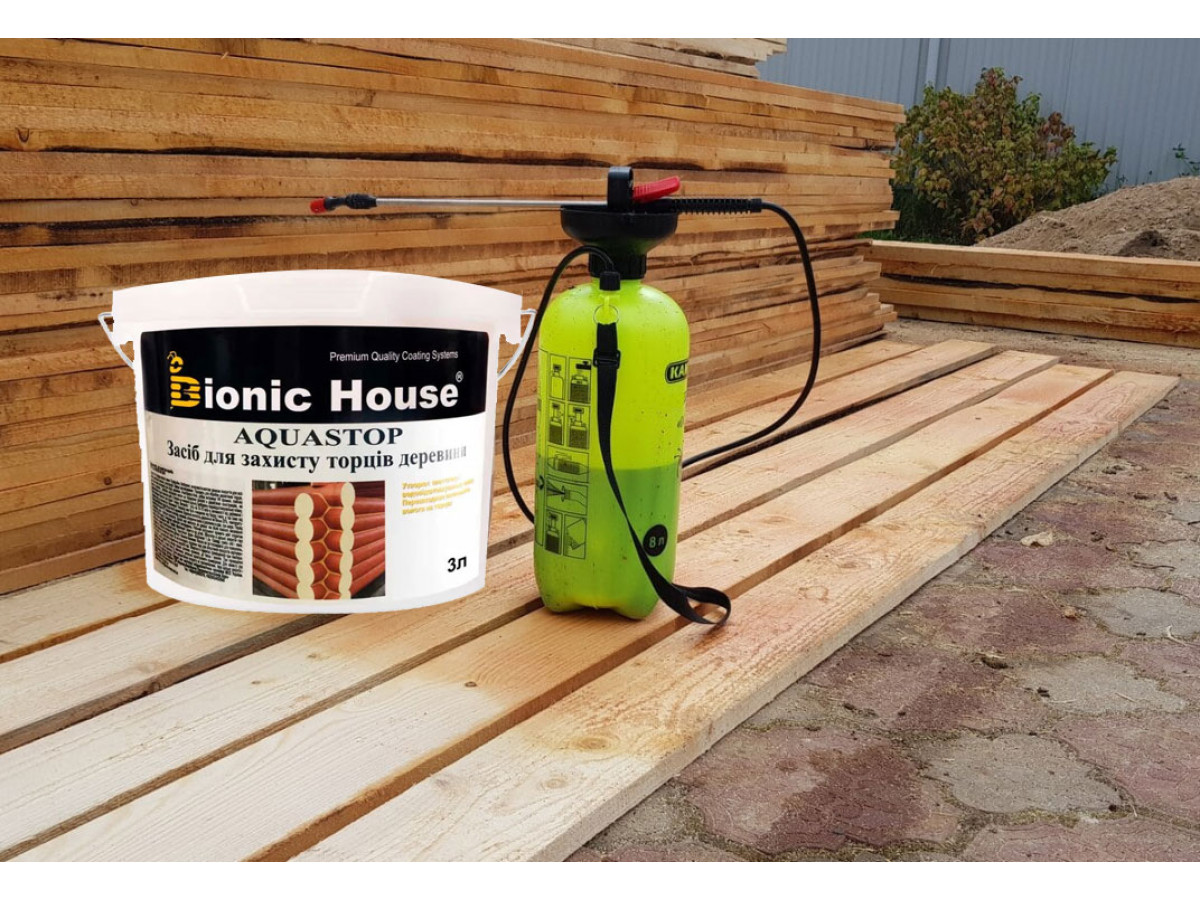
Wood is a natural material that is actively used in construction and interior decoration. However, without proper care, it can suffer from moisture, fungal infections, mold and insects. For effective protection of wood, antiseptics are used - special means that allow you to extend the life of wooden structures, preserve their aesthetic appearance and functional properties.
Wood preservatives are an integral part of the protection of wooden structures and products. They allow you to preserve the aesthetic and functional qualities of wood, extend its service life and protect it from harmful factors. Thanks to the large number of antiseptic options on the market, you can always find the best product for any type of work.
What are wood preservatives?
Wood preservatives are chemical formulations designed to protect wood from various biological factors, such as fungi, mold, bacteria, and insects. They penetrate deep into the structure of the wood and prevent the development of harmful microorganisms, while maintaining its natural appearance.
Types of antiseptics
Antiseptics can be classified according to several criteria: by mode of action, composition and scope of application. The main types of antiseptics include:
By appointment:
Prophylactic antiseptics. They are used to treat new wood to prevent it from being damaged by fungi or insects. They are especially relevant for freshly cut trees that have not yet had time to dry.
Therapeutic antiseptics. They are used to treat already affected wood. Not only do these formulations prevent further damage, but they also help stop the wood from decomposing.
According to the type of base:
Water-soluble antiseptics. They are easy to apply, do not have a strong odor, and are suitable for interior work. They are environmentally friendly, but less protective against moisture.
Oil antiseptics. More resistant to moisture and external influences, suitable for outdoor work. They are used for woodworking in open areas such as facades, fences or gazebos.
Organic antiseptics. These are formulations based on organic solvents that penetrate deep into the wood and provide reliable protection. They can have a pungent odor and need to be used carefully in enclosed spaces.
According to the scope of application:
For outdoor use. They are highly resistant to moisture, ultraviolet radiation and weathering. They are used for finishing facades, terraces, fences, country houses, etc.
For interior use. They have a milder composition and do not contain harmful volatile substances. Suitable for finishing furniture, floors, walls and ceilings in residential areas.
Benefits of using wood preservatives
Protection against fungi and mold
Antiseptics effectively prevent the development of fungi and mold, which can significantly damage the wood and lead to its premature destruction.
Protection against insect pests
Insects such as bark beetles and termites can seriously damage wooden structures. Antiseptics form a barrier that prevents them from penetrating and multiplying in the wood.
Extending the life of wood
Treatment of wood with an antiseptic can significantly extend its service life, maintaining its original appearance and characteristics even in difficult operating conditions.
Preservation of aesthetic qualities
Thanks to modern antiseptic compounds, the wood retains its natural color and texture, which makes it attractive for many years.
Prevention of rotting
Wood that is exposed to moisture is prone to rotting. Antiseptics create a protective layer that prevents moisture from penetrating into the structure of the wood.
How to choose the right antiseptic?
When choosing an antiseptic, several important factors must be taken into account:
Purpose: exterior or interior work. For outdoor work, it is better to choose more resistant products that protect against atmospheric phenomena.
Type of wood: different types of wood react differently to certain compositions. For example, softwoods such as pine require deep penetration of the product.
Environmental friendliness: for wood processing indoors, it is worth choosing environmentally friendly products without harmful impurities.
Cost and manufacturer: there are a large number of antiseptics of different brands on the market, but it is important to give preference to trusted manufacturers with a good reputation.
Recommendations for the use of antiseptics
Surface preparation. Before applying the antiseptic, the wood must be cleaned of dust, dirt and old coatings. It is also important that the wood is dry.
Application. Antiseptics are applied with a brush, roller or spray, evenly distributing the product over the surface. For maximum effect, the treatment should be carried out in several layers.
Drying time. Between the application of layers, it is necessary to maintain a certain interval of time for the previous layer to dry completely.