




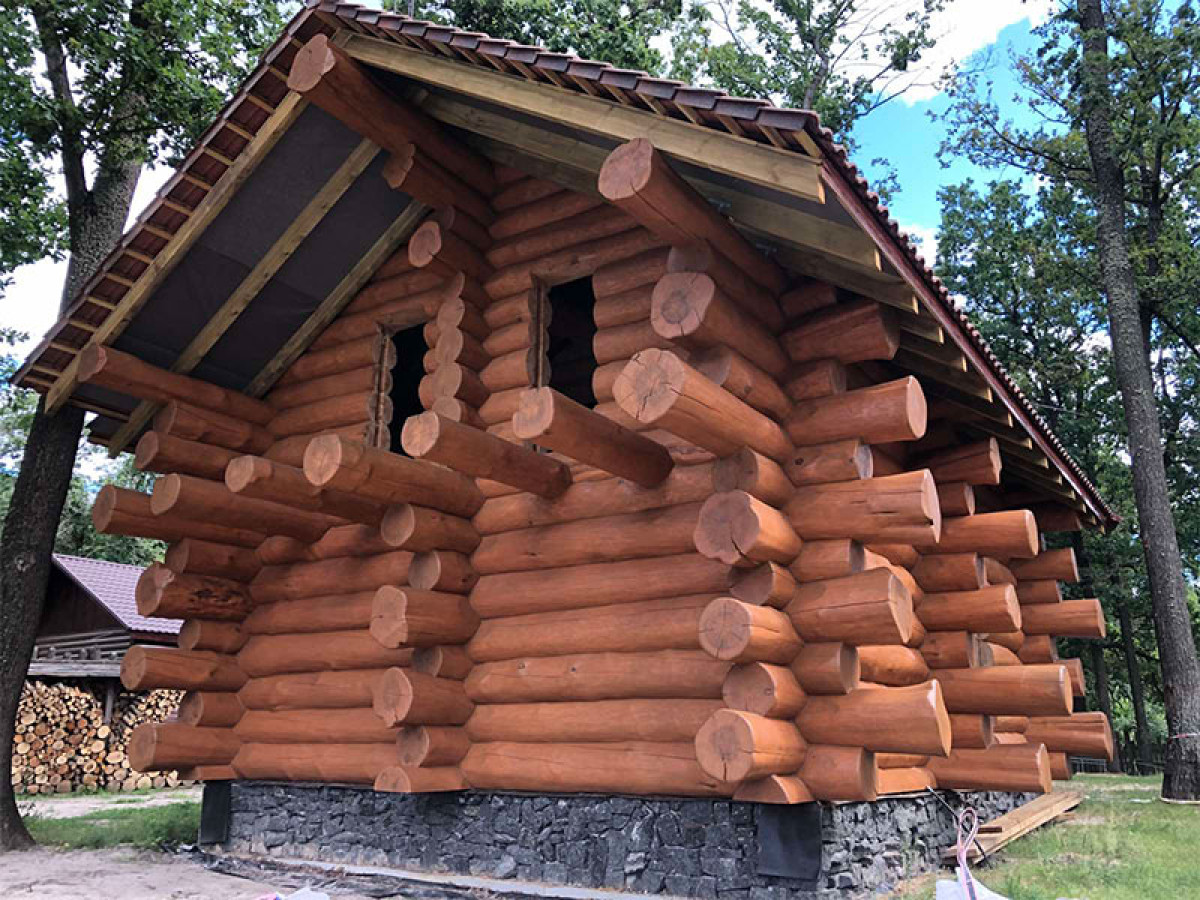
Perhaps, such a variety of varieties of paints and varnishes as in wood protective products is not found anywhere else :)! Impregnation paint, antiseptic paint, azure paint, etc., is by no means a complete list of all the possible properties of wood paints, since the imparting of properties to a certain wood protective agent depends on its intended use. All paints for wood can be divided into two large groups according to the composition of their basis, these are:
- а) aqueous or water-soluble dispersions,
- б) paints for wood on an organic (oil) basis, soluble with white spirit.
Water based wood paints
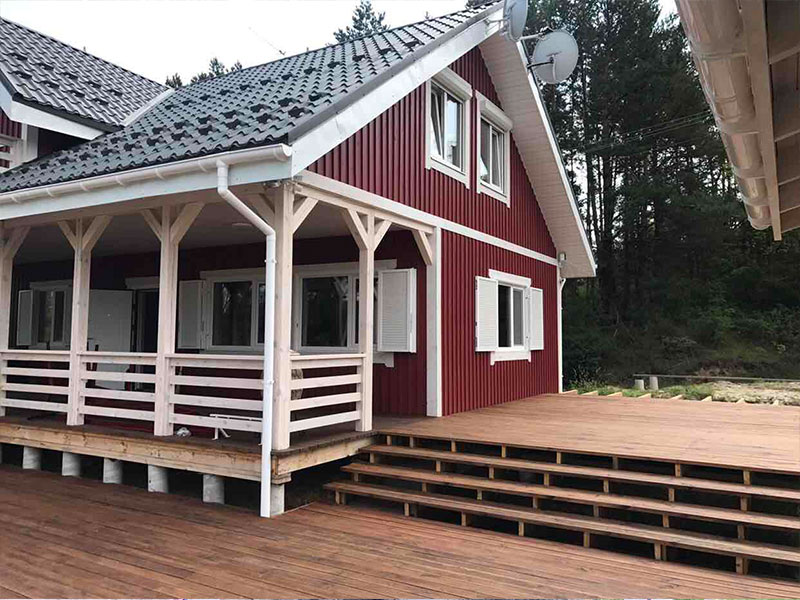
It is paints for wood based on a water-soluble acrylic dispersion that are most often called LAZURES.
Purpose
Lazure forms a white or tinted translucent coating, coloring and protecting the tree from three types of damage
- 1) Burnout under solar ultraviolet (UV radiation);
- 2) Biological degradation as a result of exposure to weather conditions and infection of wood with mold, fungus and wood-eating insects as a result of prolonged exposure to moisture;
- 3) Mechanical damage: abrasion as a result of long-term operational load floor, steps, railings, doors, windows, etc..
Water-based acrylic paints for wood penetrate into the depth of the wood not deep up to 1-2 mm but have excellent adhesion and covering power. They are carefully rubbed into a wooden surface. Acrylic paints dry quickly and have a slight odor that dissipates quickly. The protective film that they form is translucent and elastic, it is very resistant to fading and moisture. If the azure retains its integrity, without chipping, peeling and cracking the tree itself, then it is able to retain its protective properties for up to 5-8 years. To prevent the development of mold under a layer of azure, an antiseptic is added to its composition. Such azures are sometimes called glazing antiseptic or antiseptic paint - the names are different, but the essence is the same.
Acrylic glazes have proven to be a good all-round wood-protection paint for interior and exterior use, leaving the wood grain pattern visible and giving the wood a beautiful appearance.
Organic Wood Paints
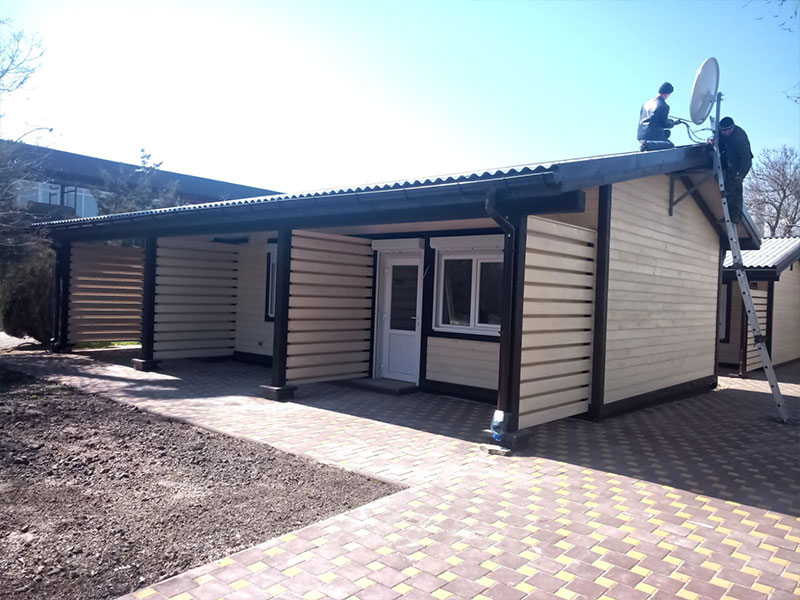
Organic-based paints, although produced on the basis of linseed or tung vegetable oils, have nothing in common with the previously known alkyd oil paints. Solvent-based paints penetrate extremely deep into the wood, up to 5 mm, and they are most often called impregnation paint. Organic-based wood paints are ideal for treating the facades of wooden houses, as they provide deep hydrophobic protection against moisture penetration. They are also usually translucent, so you can find them on sale under the name "facade azure".
Organic-based façade glazes are slightly inferior in UV protection to acrylic glazes, but their coverage is usually not limited by the integrity of the surface film. The solvent is able to bring a protective antiseptic and oil deep under the layer, and with a slight burnout of wood, such places are easy to renew. Impregnation of wooden facades with oil facade glaze is very simple, it is enough to wash off dirt and dust and dry the surface, and it can be renewed, because it does not peel off, unlike old acrylic or alkyd coatings. Therefore, oil impregnating paints, facade azures, glazing organic antiseptics are also popular with our customers.
Therefore, if you need paint for wood, now you know what to look for in the description, and which one to give preference to!